
Rutland 505
About
The Rutland 505 Windcharger
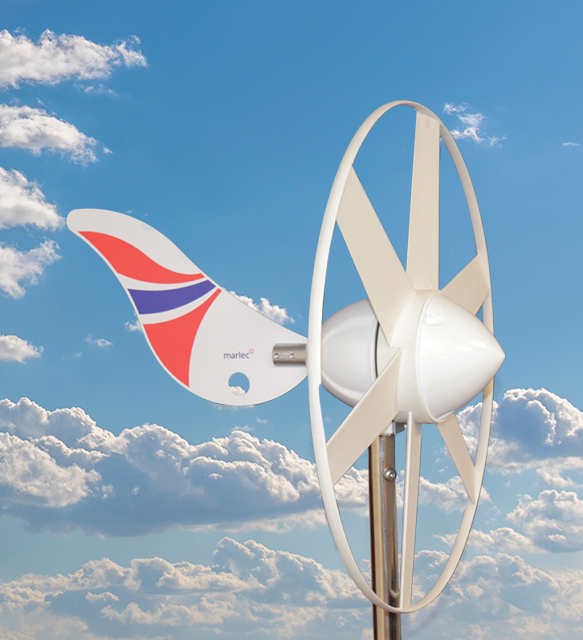
The Rutland 505 is the latest generation of our compact 500mm series, ideal for trickle charging your battery bank. Supplied with the dedicated SMR1 charge controller to maximise performance you can be sure that when you arrive on board your batteries will be well charged up and ready for your appliances. Performance of the Rutland 505 is comparible to a 100W solar panel but unlike solar it will operate just as well in winter conditions! Even whilst sailing the Rutland 505 powers on.
Suitable for:
- Day Sailing
- Weekend Use Yachts
- Trickle Charging in Marina

Performance of the Rutland 505
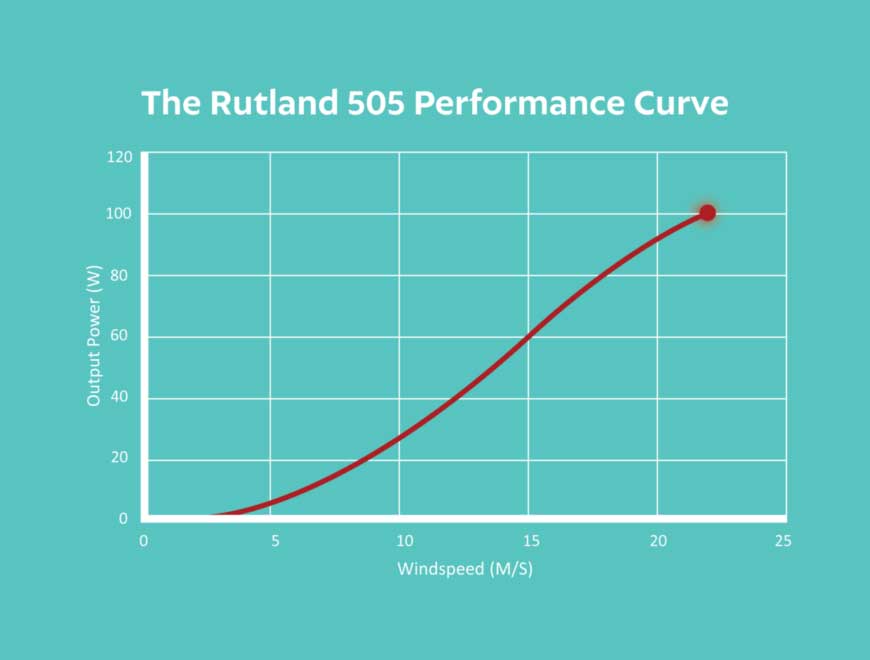
We publish our curves based on measured data and use ongoing actual performance data collected and monitored over long periods of time of the turbines running in real wind conditions. This means the turbines are also subject to side winds, upwinds and sudden changes of wind direction (these are the causes of turbulence) experienced at a user’s typical installation. Our curves represent a truer reflection of the power output you can expect from your Rutland Windcharger compared with many other turbines.

A power curve is usually given by manufacturers to represent the performance of a wind turbine. Some may be based on theoretical or predicted output and others plot the power achieved under steady state conditions. Wind tunnel testing and turbines run on vehicle rooftops can provide useful information for a manufacturer but power curves derived in this way need to be understood as running in a clear and unobstructed wind flow so they do not represent what is actually achieved in real wind conditions. Power curves from theoretical analysis cannot be regarded as representing what is actually achieved at all.
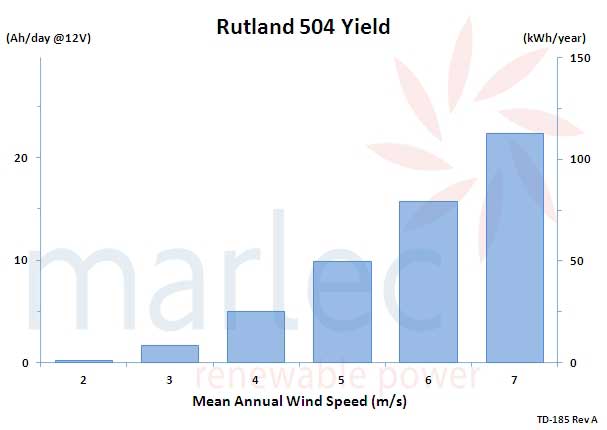
A more useful guide of how much power you can expect from your turbine is the Annual Energy Yield. That’s because wind energy is a “cube law,” which means that when the windspeed doubles the power potential is 8 times! Check the Annual Energy Yield bar chart which uses the Rayleigh distribution to calculate the Ampere hours of battery charging you can expect at given average wind speeds per annum. As these are averaged across the year you should consider how these figures will ebb and flow across the seasons when you might expect a higher average during the windier seasons. We often recommend the combination of wind and solar charging to smooth out the daily energy yield.
Rutland 505 Specifications
Cut in Windspeed | 3 m/s |
Output Voltages Available (Nominal) | 12V |
Power / Current Ratings: | |
5m/s 10knots | 3W (0.2A) |
11m/s 21knots | 36W (3A) |
15m/s 29knots | 60W (5A) |
Packed Weight & Dimensions | 6 Kg 550x550x260mm |
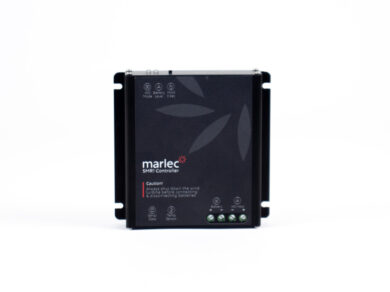
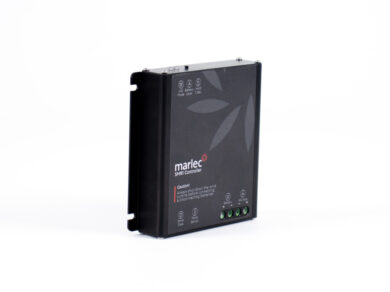
Charge Controller | Marlec SMR1 12V |
Input | Rutland 505 Windcharger or VertX 360 Windcharger |
Battery Type | Lead Acid, AGM, Gel and Lithium (with parameters set via Interface cable) |
Indicators | LED for Charging and battery state of charge |
Dimensions | 80 x 105 mm |
Generator Type | Low friction 3 phase, brushless |
Yaw Rotation | Slipring for 360° free rotation. Low brush wear. |
Governing Devices | None |
Turbine Diameter | 510 mm |
Turning Radius | 304 mm |
Net Weight | 3.5 kg |
SMR1 MPPT Controller


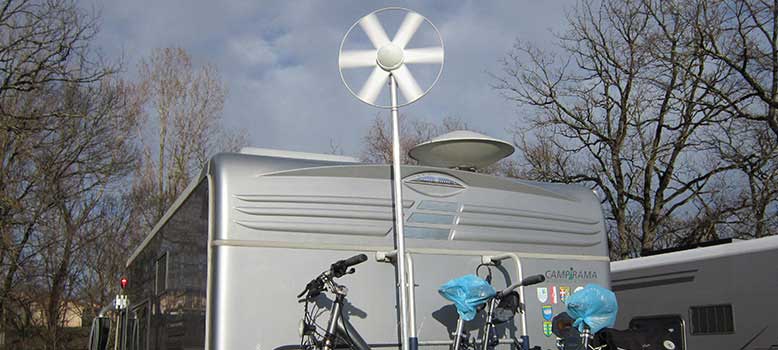
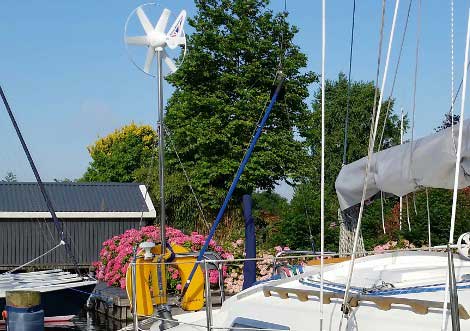
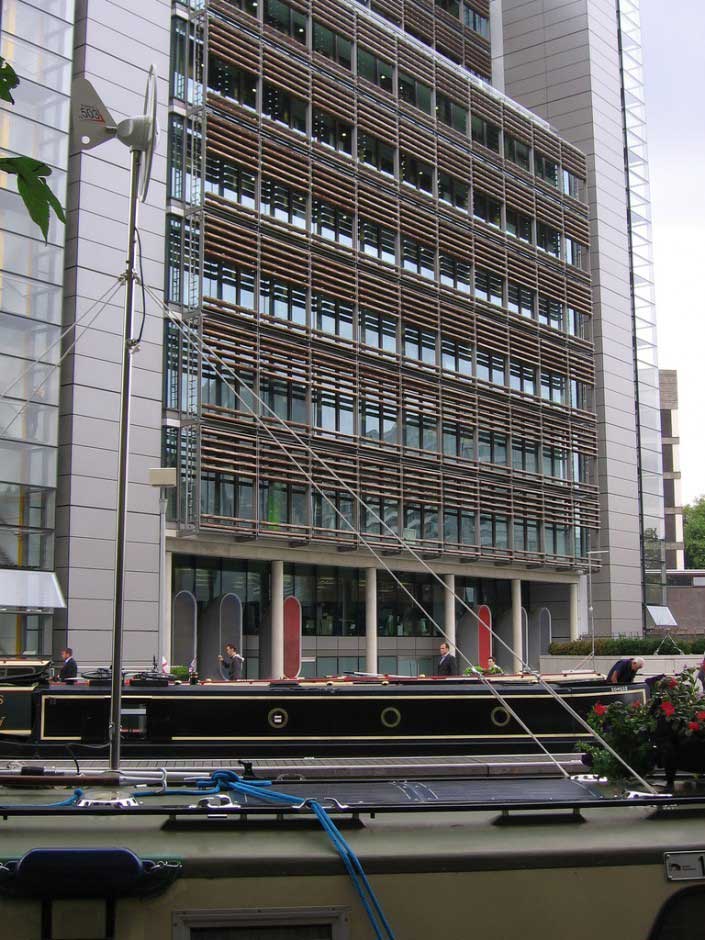
Rutland 504 and 505 Gallery of Applications

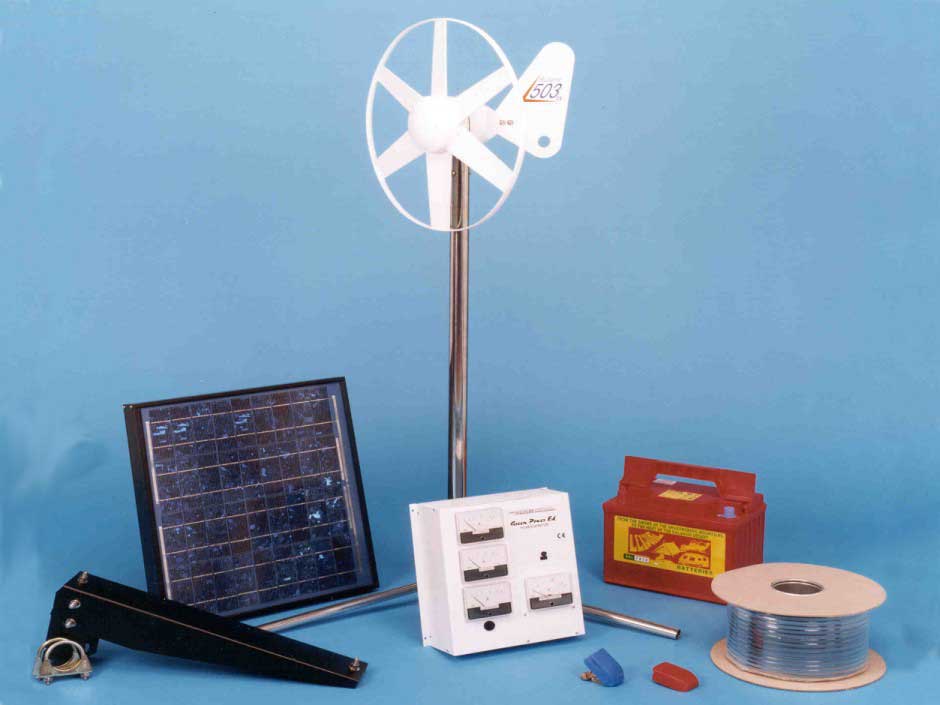

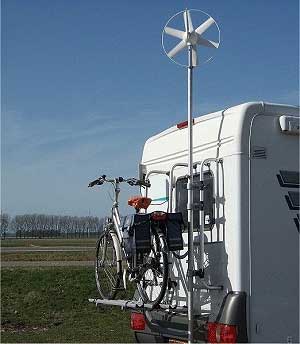
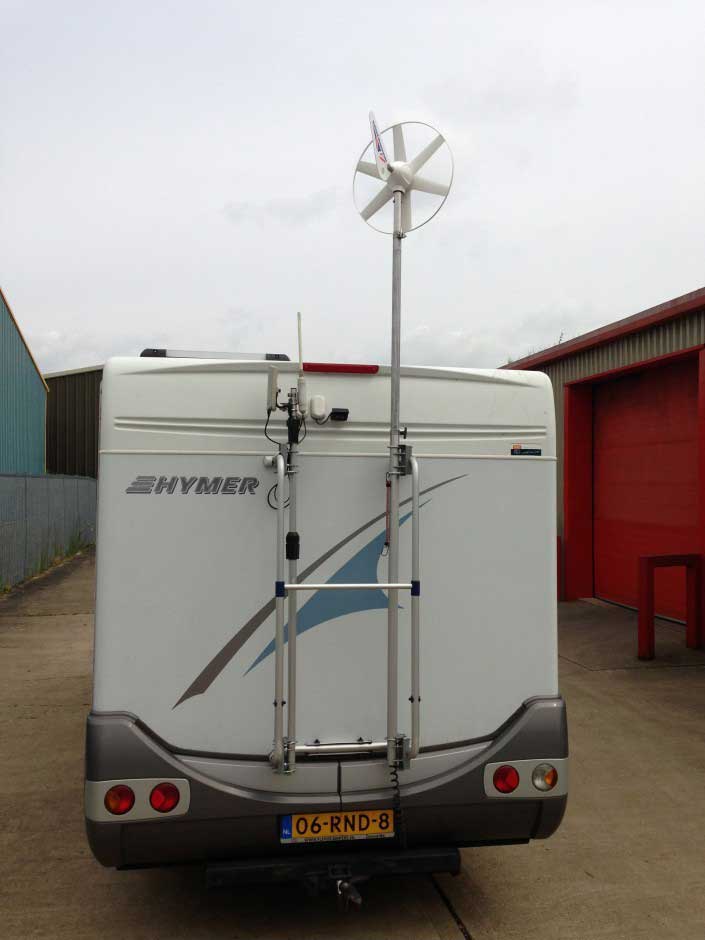
Materials
We construct our Rutland wind turbines using a range of modern and traditional high quality materials which are designed to endure in a marine environment. We have innovated in our field by introducing light weight but robust high density nylon and glass reinforced materials that are UV stable alongside marine grade aluminium, stainless steel, sealed for life bearings and other carefully selected and precision worked materials in our UK factory.